
- Reliable performance with f7 cameras and enhanced image stabilization techniques
- Understanding the Core Components of f7 Camera Systems
- The Role of Image Processing in Modern Cameras
- Exploring Different Types of Image Stabilization Techniques
- The Benefits of In-Body Image Stabilization (IBIS)
- How f7 Systems Utilize Advanced Stabilization for Video Recording
- The Impact of Stabilization on Cinematic Video Footage
- Beyond Stabilization: Other Features Enhancing f7 Camera Performance
- The Future of Camera Technology and its Impact on Visual Storytelling
Reliable performance with f7 cameras and enhanced image stabilization techniques
The world of digital photography is in constant evolution, with innovations continually pushing the boundaries of image quality and performance. Central to this progress are camera technologies like the f7 system, offering a unique blend of features designed to enhance the creative process. This system, and similar advancements, are redefining what's possible for both professional photographers and enthusiasts, offering sharper images, improved low-light capabilities, and smoother video recording. Understanding these advancements is crucial for anyone seeking to capture high-quality visuals in today’s dynamic world.
Modern cameras aren’t just about megapixels; they're about intelligently processing information, stabilizing the image, and providing seamless connectivity. Image stabilization, in particular, has become a cornerstone of high-performance photography and videography. This feature minimizes blur caused by camera shake, allowing photographers to shoot at slower shutter speeds or zoom in further without sacrificing image clarity. The interplay between camera hardware, such as the sensor and lens, and software-driven stabilization techniques results in stunning and professional-looking results. The implementation of these technologies can significantly augment the capabilities of even entry-level equipment.
Understanding the Core Components of f7 Camera Systems
The performance characteristics of an f7 camera system, or any similar advanced digital camera, are dependent on a complex interplay of several key components. These include the image sensor, the processor, the lens, and the image stabilization system itself. The image sensor, responsible for converting light into an electrical signal, determines the resolution and sensitivity of the camera. Larger sensors generally offer better low-light performance and dynamic range. The processor handles the complex task of interpreting the data from the sensor, applying noise reduction, color correction, and other enhancements. A powerful processor is crucial for fast continuous shooting and high-quality video recording. The quality of the lens directly impacts the sharpness, clarity, and distortion of the image.
The Role of Image Processing in Modern Cameras
Modern image processing isn't simply about applying filters; it’s about leveraging sophisticated algorithms to optimize the image data captured by the sensor. This includes things like demosaicing, which reconstructs a full-color image from the data captured by the sensor's color filter array, and noise reduction, which minimizes unwanted artifacts in low-light conditions. Advanced processing also incorporates technologies like high dynamic range (HDR) merging, which combines multiple exposures to capture a wider range of tones, and detail enhancement, which sharpens the image without introducing artificial artifacts. These processes demand significant processing power, which explains the constant demand for more powerful camera processors.
| Component | Function |
|---|---|
| Image Sensor | Converts light into electrical signals. |
| Processor | Processes image data, noise reduction, HDR. |
| Lens | Focuses light onto the sensor. |
| Stabilization System | Minimizes camera shake. |
Effectively, the synergy of these components determines the overall capability of the f7 system and related cameras. Manufacturers continually refine these elements to deliver improved performance, creating a competitive landscape for advancements in image capture.
Exploring Different Types of Image Stabilization Techniques
Image stabilization isn't a one-size-fits-all technology. Several different techniques are employed to counteract camera shake, each with its own advantages and disadvantages. Optical image stabilization (OIS) physically shifts the lens elements or the image sensor to compensate for movement. This is generally considered the most effective method, as it addresses the problem at the source. Electronic image stabilization (EIS) uses software algorithms to digitally stabilize the image, often by cropping into the frame. While EIS can be effective, it can also reduce the field of view and introduce artifacts. Hybrid systems combine both OIS and EIS for even greater stabilization performance. The choice of stabilization technique depends on the camera's design, the lens used, and the intended application.
The Benefits of In-Body Image Stabilization (IBIS)
In-body image stabilization (IBIS) is a particularly effective form of OIS where the image sensor itself is moved to compensate for camera shake. This offers several advantages. Firstly, it works with any lens attached to the camera, unlike lens-based OIS. Secondly, it can provide stabilization across a wider range of shooting conditions. IBIS is particularly beneficial for low-light photography and videography, allowing photographers to use slower shutter speeds without introducing blur. Furthermore, it can enhance the performance of lenses that don't have built-in stabilization. The precision engineering required for IBIS makes it a hallmark of high-end camera systems.
- Optical Image Stabilization (OIS): Corrects by moving lens elements.
- Electronic Image Stabilization (EIS): Uses software cropping for stabilization.
- In-Body Image Stabilization (IBIS): Moves the image sensor itself.
- Hybrid Stabilization: Combines OIS and EIS for maximum effect.
The constant drive for better image quality pushes manufacturers to refine these techniques, resulting in increasingly sophisticated stabilization systems that empower photographers to capture sharper, clearer images in a wider range of scenarios.
How f7 Systems Utilize Advanced Stabilization for Video Recording
The demands placed on image stabilization are even greater when recording video. Even slight camera shake can result in a shaky and unprofessional-looking footage. f7 systems, and similar high-performance cameras, employ sophisticated stabilization algorithms specifically tailored for video recording. These algorithms often incorporate motion tracking, which analyzes the movement of the scene and adjusts the stabilization accordingly. The goal is to provide smooth, stable footage, even when shooting handheld. Furthermore, modern stabilization systems can often be adjusted to provide varying levels of stabilization, allowing users to choose between maximum stability and a more natural, cinematic look. This adaptive quality is vital for diverse videography tasks.
The Impact of Stabilization on Cinematic Video Footage
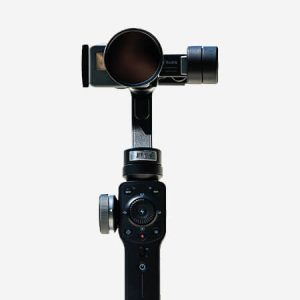
Cinematic video footage often relies on smooth camera movement to create a sense of immersion and visual storytelling. Effective image stabilization is crucial for achieving this effect. Stabilization allows videographers to use gimbals and stabilizers more effectively, providing even smoother and more controlled camera movements. It also allows for creative shooting techniques, such as handheld shots, without sacrificing image quality. By minimizing unwanted camera shake, stabilization ensures that the viewer’s attention remains focused on the subject matter, enhancing the overall viewing experience. The freedom afforded by good stabilization allows a filmmaker to concentrate on artistic expression, rather than technical limitations.
- Motion Tracking: Analyzes scene movement for precise stabilization.
- Adjustable Stabilization Levels: Allows users to customize stabilization intensity.
- Enhanced Gimbal Performance: Enables smoother and more controlled camera movements.
- Creative Shooting: Facilitates handheld shots without compromising quality.
Ultimately, incorporating advanced stabilization techniques into the f7 system allows videographers to produce professional-looking footage with ease, regardless of the shooting environment.
Beyond Stabilization: Other Features Enhancing f7 Camera Performance
While image stabilization is a flagship feature of the f7 system, it’s just one piece of the puzzle. Modern cameras incorporate a host of other technologies designed to enhance performance and improve image quality. These include advanced autofocus systems, which quickly and accurately lock onto subjects, even in challenging lighting conditions. High-speed continuous shooting allows photographers to capture fleeting moments with precision. And advanced dynamic range optimization ensures that images retain detail in both the highlights and shadows. The cumulative effect of these features is a camera system that is versatile, reliable, and capable of delivering exceptional results.
Furthermore, the user interface and ergonomics of the camera play a crucial role in its overall usability. Intuitive controls and customizable settings allow photographers to tailor the camera to their specific needs and preferences. Seamless connectivity with smartphones and other devices enables easy image transfer and sharing. The overall user experience contributes significantly to the photographer's creative workflow, allowing them to focus on capturing the perfect shot.
The Future of Camera Technology and its Impact on Visual Storytelling
The evolution of camera technology shows no signs of slowing down. We are witnessing the integration of artificial intelligence (AI) into cameras, with AI-powered features like scene recognition, subject tracking, and automatic image enhancement. Computational photography, which uses software algorithms to combine multiple images into a single, optimized image, is also becoming increasingly prevalent. These advancements are pushing the boundaries of what's possible in image capture, allowing photographers and videographers to create visuals that were previously unattainable. As processing power increases and algorithms become more sophisticated, we can expect even more innovative features to emerge.
The future of visual storytelling is inextricably linked to these technological advancements. Cameras are becoming more intelligent, more versatile, and more accessible, empowering a wider range of individuals to express their creativity and share their unique perspectives with the world. The f7 system, as a testament to current technological capabilities, represents a significant step forward in this evolution, and future iterations will undoubtedly build upon its foundations to create even more compelling visual experiences. The democratization of high-quality image capture is fostering a new era of visual communication, where anyone can document, create, and share their stories with impact.



No Responses