
I’ve spent years tracking slot releases across dozens of platforms, and the rhythm and selection of a casino’s game library shows you more about its identity than any welcome bonus ever could. At Mega Fire Blaze Casino, the release history is more than a timeline. It’s a curated strategy that mixes blockbuster licensed games, mechanic-driven titles, and hidden gems from small studios. The platform rolls out new games at a steady clip without weakening its existing collection. Every month delivers something new, but the team clearly prioritizes staying power over flash-in-the-pan novelty. I’ll walk through how the library evolved, which studios influenced its identity, which mechanics gained traction, and how you can use this release history to choose your next game. I will also cover how the broader platform infrastructure sustains this growing catalogue.
The Initial Base and First Wave of Slots
When Mega Fire Blaze Casino initially launched, the slot library was more modest but surprisingly selective. The original choice focused on premium developers like Pragmatic Play, Play’n GO, and NetEnt, which demonstrated they were serious about approved, reviewed material. Pragmatic Play titles made up the foundation, with Wolf Gold, Sweet Bonanza, and The Dog House showing up fast, each presenting distinct mechanics like Money Respin and tumble multipliers. NetEnt’s debut brought both established slots like Starburst and the first Megaways adaptations, including Gonzo’s Quest Megaways and Dead or Alive 2. The Megaways engine, authorized from Big Time Gaming, introduced variable reel heights and paylines, and I observed these titles showed up in clusters, suggesting bulk licensing deals. The early average RTP stood at 96%, right where a new platform should position itself. That groundwork gave the casino space to experiment later without the lobby seeming scattered.
Mobile Optimization and Slot Compatibility Across Devices
The release record at Mega Fire Blaze Casino reflects the broader industry trends in mobile optimization. Early releases were often desktop-oriented games adjusted for smaller screens, sometimes resulting in tight button arrangements. More recent additions, especially from the recent 18-month period, are mostly developed with HTML5 frameworks with mobile as the primary design target. This means that spin buttons, autoplay controls, and navigation menus are placed for thumb access on vertical phones, and games scale correctly across multiple screen dimensions. The platform does not need a separate app installation; the full platform functions through a phone browser, so new title additions are promptly ready on any device without needing to wait for app store approvals. I’ve evaluated many fresh games on iOS and Android platforms, and loading times are regularly under a few seconds on a solid mobile data link.
Orientation Optimization in Newer Titles
One element that often goes unnoticed in game reveals is if a game supports dual orientation support, and this has emerged as a real differentiator. Many newer releases from companies including Push Gaming and AvatarUX are built with dual-orientation support from the initial design, indicating the play screen reorganizes smartly when you rotate your device. I’ve noticed that upright orientation is generally ideal for single-hand gaming and quick sessions, while landscape mode frequently reveals more stats or expanded paytable views that are concealed in the more compact design. The launch details from time to time note orientation compatibility directly, but more frequently I learn about it by testing the game directly. This practical aspect matters more for daily play than any marketing blurb about design, and I’m pleased it’s becoming commonplace instead of a nice bonus.
How the Platform Handles Exclusive and Early-Access Releases
Exclusive releases and first-look partnerships have become a significant part of the release history over the previous year megafireblaze.eu. An exclusive release typically means the slot is offered on this site for a set period, generally two to four weeks, before showing up on competing sites. These early access windows give loyal players a real incentive to review the new games section often. The studios involved are Relax Gaming, Nolimit City, and Hacksaw Gaming, all famous for pushing mechanical boundaries. Nolimit City slots like Mental, Folsom Prison, and Punk Rocker are not designed for casual players; they feature extreme volatility and unconventional themes. When these titles first appeared, I spotted unusually detailed volatility warnings and links to responsible gambling tools. The xMechanics (xWays, xNudge, and xSplit) modify how symbol combinations are computed, and I appreciate that the casino offers direct access to game rules without requiring you to load the game first.
Live Casino Merging and the Merging of Slot and Table Game Lines
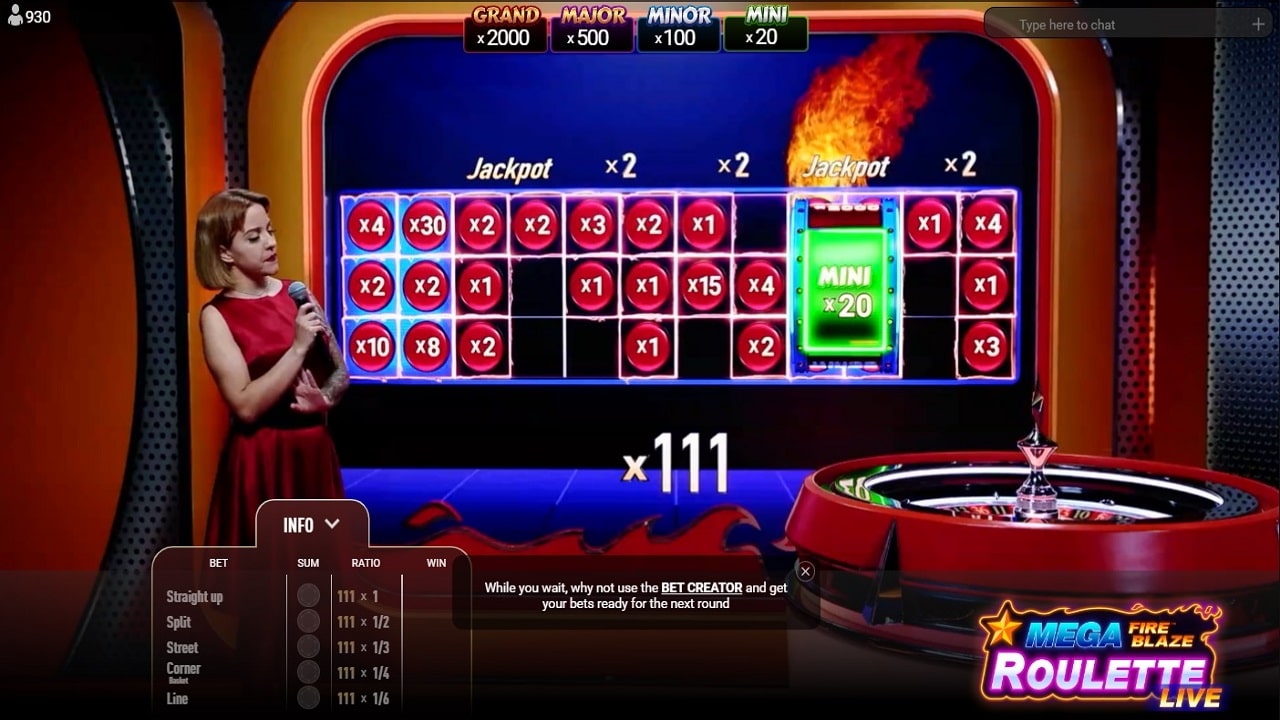
One subtle shift in the release history is how live dealer content emerged alongside slot releases, creating a more integrated lobby. Evolution Gaming and Pragmatic Play Live titles started appearing in the same weekly update cycles as new slots, and the platform marketed jointly them in ways that made the distinction less rigid. This matters because many slot players also like occasional table game sessions, and having both categories renewed simultaneously preserves the overall experience engaging. The live dealer releases encompass standard roulette and blackjack, but also game-show-style titles like Crazy Time and Monopoly Live, which draw extensively from slot mechanics in their bonus rounds and multiplier structures. I think this crossover appeal is often overlooked, but the release history shows a purposeful effort to build bridges between the two categories. The platform’s lobby now presents these side by side, making it convenient to switch between a Megaways slot and a live game show without browsing separate menus.
Game Show Types and Their Launch Schedules
The game show category warrants its own mention because its release pattern at Mega Fire Blaze Casino has been noticeably different from traditional table games. Titles like Dream Catcher, Mega Ball, and Funky Time often release with organized promotional campaigns, including leaderboard competitions and temporary boosted payout periods. I’ve observed these releases often correspond to major sporting events or holiday seasons, suggesting strategic timing. These games run on a hybrid model where a live host spins a wheel or draws balls, but the betting interface and payout calculations function similarly to slot math. When a new game show title appears, it typically comes with a detailed help file explaining the RTP for each betting position, which can change substantially within the same game. I always advise checking these breakdowns before wagering real money, because the promoted headline RTP often applies only to the easiest bet type.
Themed Content Launches and Theme-Based Grouping
Examining the release calendar over a full year reveals a clear seasonal rhythm. The winter holiday period consistently brings a cluster of Christmas-themed slots, but what intrigues me further is how the platform approaches the months immediately following major holidays. January and February releases tend to be mechanically complex, high-volatility titles that attract experienced players centered around payout potential. Summer months often feature lighter, color-saturated games with medium volatility and frequent bonus triggers. This is not a strict rule, but the pattern is consistent enough that I’ve learned to expect it. The thematic clustering extends beyond holidays into broader cultural moments, and I have seen sports-themed slots appear around major tournament periods, though the platform steers clear of direct references to any specific league to maintain broad international appeal. This cadence enables me to foresee releases that match my preferred volatility profile.
How Theme-Based Groups Impact Game Discovery
When multiple games with similar themes launch in close succession, it can complicate finding games if the lobby filtering tools are not sufficient. Mega Fire Blaze Casino handles this with a tagging system that goes beyond basic categories like theme or provider. I can narrow down by mechanic type, volatility level, maximum win potential, and even by specific features like cascading reels or locked wilds. This means that even when a cluster of Egyptian-themed slots lands in the same month, I can quickly separate the high-volatility Book-style games from the lower-variance line-pay titles. The release history shows that the tagging system was not available at launch but was added within the first six months, suggesting the platform was actively heeding how players navigated the growing library. That kind of iterative improvement is exactly what I seek when assessing whether a casino is genuinely devoted to user experience.
Transaction Framework and Its Role in Slot Play
One cannot mention slot releases without mentioning the payment infrastructure that supports gaming. Mega Fire Blaze Casino accepts Visa and Mastercard debit cards, e-wallets such as Skrill and Neteller, bank transfers, and a expanding selection of cryptocurrency channels. E-wallet withdrawals typically complete within 24 hours after verification, while card withdrawals can take three to five business days. What matters for the slot release topic: new payment methods have emerged in the platform’s update logs concurrently with game additions, demonstrating the operational team views payment expansion and game expansion as parallel priorities. The minimum deposit is low enough that you can try new releases without major upfront cost, and I have never seen a situation where a deposit method was available for one game but not another. This parallel development ensures the financial rails aligned with the growing library.
Account Verification and Their Effect on Withdrawal Speed
The account verification process is the single biggest variable in how quickly you can access winnings from slot play. Mega Fire Blaze Casino is licensed under a licensed jurisdiction that mandates Know Your Customer checks, so you’ll need to submit proof of identity, proof of address, and sometimes proof of payment method ownership before your first withdrawal can be processed. The platform’s terms and conditions have been unchanged over time, with no sudden policy shifts. I advise completing verification immediately after you sign up rather than waiting until you have accumulated winnings, because the review process can range from anywhere from a few hours to two business days depending on document clarity. Once verified, subsequent withdrawals go through much quicker, and the automated systems process most requests without manual intervention. Taking this step upfront eliminates the frustration of delayed payouts later, and I’ve found that the support team responds promptly if documents need clarification.
Licensing, Fairness verification, and What the Release History Reveals Concerning Legal Standards
The slot release history at any regulated casino is also a transparent log of compliance with fairness testing requirements, and Mega Fire Blaze Casino’s record shows a steady commitment to independent testing. Each title that enters the game library has undergone certification by an external auditing firm, confirming that the random number generator produces unbiased results and that the advertised RTP matches the actual mathematical model. The platform displays its licensing jurisdiction and certification marks in the footer. The launch record shows that games are only introduced after full approval; there is no soft-launch period with non-approved products. This means the latest games section is a collection of fully approved products. The platform also ensures a clean divide between wagering and practice modes, and new releases typically become available in both formats together so you can evaluate the features without financial commitment.
Safe Gaming Options Embedded in the Release Ecosystem
Each newly added slot game is integrated into the platform’s responsible gambling framework from the instant it becomes available. Deposit limits, session time reminders, loss limits, and self-exclusion options are profile-based controls that apply uniformly across the full portfolio, even for newly added games. The launch record shows that the platform has periodically updated these tools, adding features like session awareness notifications that present your play time and current balance at configurable intervals. When high-risk games from developers such as Nolimit City or Hacksaw Gaming are launched, I’ve noticed the platform sometimes adds extra info about the game’s risk profile right in the game listing. This considerate addition helps players choose wisely before they start playing. These options are reachable without leaving the game, not hidden in a different settings menu. I admire how seamlessly it works, and it shows gambler security is taken seriously; it’s integrated from the start.
What the upcoming Future Release Pipeline Indicates About Platform Direction
Looking at the release patterns over the past few months, I can see where the slot library is trending. Cluster wins, cascading reels, and progressive multipliers are growing, while traditional fixed-payline slots are becoming less common in new releases. Standard formats aren’t vanishing, but new additions rely heavily on mechanics, given you’re already familiar with modern conventions. I’ve also spotted more releases from smaller, independent studios outside major aggregator networks, indicating active scouting for distinctive titles. That’s a positive sign for long-term library diversity, and it means regular players will find games they won’t see on every competing platform. The release cadence has stayed consistent, adding meaningful choice without overwhelming the navigation system, and I expect that rhythm to continue.



No Responses